
Best Toyotas to Modify: Choose the Right Project
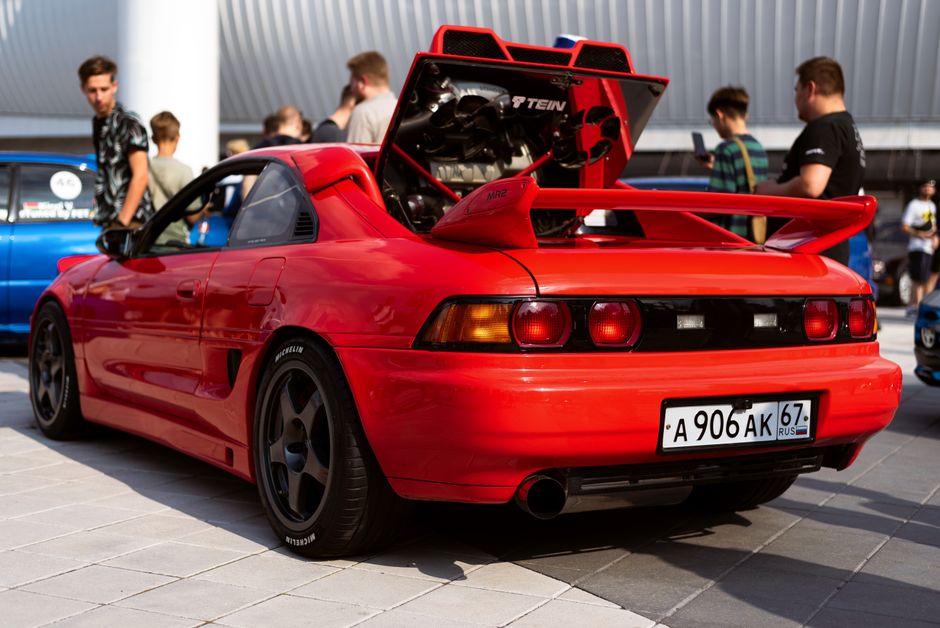
The best Toyotas to modify depend on the build goal: choose a newer GR86 for a handling-focused project with factory-documented performance hardware, a seventh-generation Celica GT-S for a lighter front-drive platform with a 2ZZ-GE, or an older Corolla only after confirming parts and donor-car availability. Entry prices and general aftermarket coverage are not established by the available sources, so inspect the specific car and parts supply before buying.
Which Toyota is easiest for a beginner to modify?
The GR86 is the clearest beginner starting point in the available evidence if the goal is handling, because Toyota documents the platform’s layout and factory performance options. The 2025 model’s base manual weighs 2,811 pounds and uses rear-wheel drive, a Torsen limited-slip differential, MacPherson struts up front, and a multi-link rear suspension, according to the Toyota USA Newsroom.
That does not establish that every GR86 modification is simple or inexpensive. It does give a new builder a clear sequence: keep the car mechanically sound, define a handling target, then make changes in manageable stages. Toyota also offered a Performance Package with SACHS dampers and Brembo brakes on other 2025 grades, showing that suspension and braking upgrades are part of the model’s documented factory context.
For a first project, use a staged plan rather than beginning with engine power: verify maintenance and safety, choose suitable tires, address brake condition or upgrades, then evaluate suspension changes. The supplied sources do not specify aftermarket prices, compatibility lists, or labor times, so get those details for the exact year and trim before ordering parts. A newer, intact car can be a more predictable learning platform than a cheaper older car with unknown repair needs.
What is the cheapest Toyota with good aftermarket support?
The available sources do not establish which Toyota is cheapest or which has the broadest aftermarket, so a factual winner cannot be named from this research. Older Corolla models may look like budget candidates, but no purchase prices, parts catalogs, or support comparisons are supplied here. Compare the complete project cost, not just the asking price.
For classic platforms, parts support is a real constraint. Toyota’s GR Heritage Parts brochure says the program covers the AE86 and A70 and A80 Supra, among other models, and prioritizes discontinued parts needed to keep vehicles roadworthy. At the time of publication, it reported 25 reproduced parts for the AE86, 104 for the A70 Supra, and 31 for the A80 Supra. Toyota also says coverage is incomplete, while identifying compatible genuine replacements and outside repair services.
Use a parts-first budget check before purchase: write down the repairs the car needs, identify the specific parts and donor components required, and confirm that they can actually be sourced. Reserve money for maintenance and unresolved faults before allocating funds to performance parts. If the exact part cannot be found, the low purchase price may not translate into a low-cost build.
Is a Toyota 86 or Celica a better project car?
A Toyota 86 is the better match for a rear-wheel-drive handling project; a seventh-generation Celica GT-S suits a front-wheel-drive build that starts with a high-output naturally aspirated engine. Toyota Canada lists the 2003 Celica GT-S at 180 hp with the 2ZZ-GE, while the GT’s 1ZZ-FE is listed at 140 hp. The GT-S offered a six-speed manual; the GT had a five-speed manual.
The 2003 Celica specifications also list front-wheel drive, MacPherson-strut front suspension, double-wishbone rear suspension, and manual curb weights from 2,425 pounds for a GT to 2,500 pounds for a GT-S. Toyota’s history of the seventh-generation car describes a light, rigid body and emphasizes maneuverability and handling. These facts make the Celica a distinct option, not a smaller version of the 86: its front-drive layout changes the character and limits which handling goals make sense.
For major power or drivetrain changes, neither platform should be treated as a bolt-in swap project without checking the actual scope. Toyota’s GR86 Rally Legacy concept used a GR Corolla turbocharged engine rated at 300 hp and 273 lb-ft, plus the GR-FOUR all-wheel-drive system. Toyota says the conversion required chassis modifications, a custom subframe and engine mounts, front-suspension changes, custom control arms, and rear driveline modifications. A concept build is not a general cost estimate, but it clearly shows why ambitious swaps need a fabrication plan and budget.
Older Corolla, Celica, AE86, and Supra projects can serve different goals, but the source material does not provide comparable purchase prices or broad aftermarket rankings for them. Decide first whether the priority is handling, bolt-on power, a full swap, or learning basic maintenance. Then compare candidate cars by condition and confirmed parts availability rather than reputation alone. For a broader ownership decision, see Best Toyotas to Buy Used: Choose by Need, Cost, and Risk.
Pre-purchase checks that protect the build budget
Before committing, ask whether a mechanic can inspect the car and obtain a vehicle history report. The Federal Trade Commission’s Used Car Buyers Guide specifically recommends an inspection and flags rusted-through frame or body areas, damaged suspension parts, brake defects, and engine or transmission problems. These are not cosmetic details on a project car; they can consume the time and money intended for modifications.
Search the VIN for open recalls using the NHTSA recall lookup. NHTSA says the search can provide manufacturer recall information that may not yet appear on its site, and generally does not show recalls more than 15 years old. A clean lookup therefore does not settle the safety history of an older Toyota. Finish by confirming local access to model-specific communities and donors as practical research steps; the supplied sources do not quantify either one.
Comparison table: which Toyota project fits your goal?
| Option | Who it suits | Cost | Key limitation |
|---|---|---|---|
| 2025 GR86 | Handling-focused builder; rear-wheel-drive platform with factory performance options | Not published | Sources do not establish aftermarket pricing or installation difficulty |
| 2003 Celica GT-S | Builder seeking a front-wheel-drive car with a listed 180-hp 2ZZ-GE and six-speed manual | Not published | Older-car condition and exact parts availability must be checked |
| 2003 Celica GT | Builder considering the 1ZZ-FE variant and five-speed manual | Not published | Listed output is 140 hp; broad modification support is not published |
| AE86 or A70/A80 Supra | Classic Toyota enthusiast willing to verify parts supply before purchase | Not published | Heritage reproduction coverage is incomplete |
| Older Corolla | Budget-first shopper who can confirm condition and donor-part availability | Not published | Research sources do not provide prices or aftermarket-support data |
Frequently Asked Questions
Which Toyota is best for handling upgrades rather than an engine swap?
The GR86 is the clearest fit in the supplied sources. Its rear-wheel-drive layout, Torsen limited-slip differential, MacPherson-strut front suspension, and multi-link rear suspension suit a handling-focused plan, and Toyota offered an option with Sachs dampers and Brembo brakes. Start by inspecting the car and setting the build goal before buying parts.
Are older Toyota project cars still practical when parts are hard to find?
They can be, but practicality depends on what has been reproduced and what remains available. Toyota’s heritage program lists parts for the A70 and A80 Supra and AE86, while stating that coverage is incomplete. Check the availability of the exact repair and maintenance parts your car needs before committing.
What should I check before buying a Toyota to modify?
Ask for a mechanic’s inspection and review the vehicle history. Check rusted-through body or frame areas, suspension damage, brakes, and engine or transmission problems; then search the VIN for recalls. NHTSA notes that its lookup generally omits recalls more than 15 years old, so a clean result does not prove an older car has no past safety issues.
Sources
- Toyota USA Newsroom — 2025 Toyota GR86 Hakone Special Edition
- Toyota Motor Corporation — Toyota Unleashes a Celica Sensation
- Toyota Canada — 2003 Celica Specifications
- TOYOTA GAZOO Racing — GR Heritage Parts
- National Highway Traffic Safety Administration — Recalls
- Federal Trade Commission — Used Car Buyers Guides
- Toyota USA Newsroom — GR86 Rally Legacy Concept at the 2024 SEMA Show
You may also like

Best Toyotas to Buy: Choose the Right Model for Your Budget
The best Toyotas to buy depend on your budget, driving pattern, and space needs: compare Corolla, Prius, Camry, RAV4, and Highlander.
Best Toyotas for Gas Mileage: Choose the Right Efficient Model
The 2025 Prius leads Toyota fuel economy at up to 57 mpg combined; compare drivetrain, real-world driving, and hybrid costs before choosing.
Best Toyotas for Snow: Choose by Roads, Traction and Budget
The best Toyotas for snow range from AWD crossovers for plowed roads to 4WD SUVs for steep routes, with winter tires essential for grip.
Should I Repair, Rebuild, Replace, or Replace My High-Mileage Car?
A practical framework for comparing engine repair, replacement, rebuild, and vehicle replacement costs before you authorize work.