
Best Toyotas to Buy Used: Choose by Need, Cost, and Risk
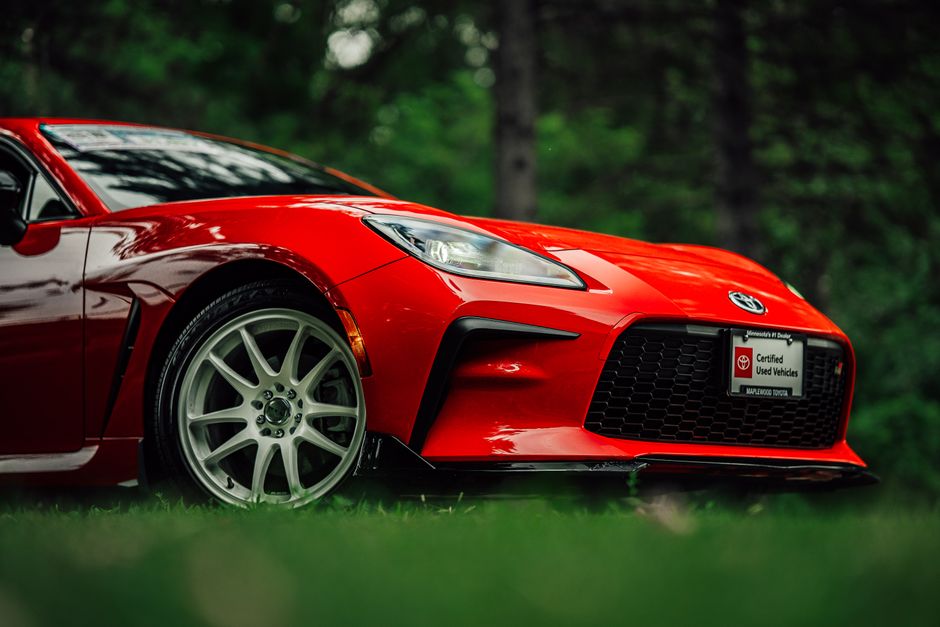
The best Toyotas to buy used depend on how you drive and the specific car’s condition, service history, and model year. A Corolla or Prius can suit a fuel-conscious commute; a Camry prioritizes a larger sedan; and a RAV4 adds SUV utility. Compare the exact trim and drivetrain, check year-specific reliability and recalls, and get an independent inspection before paying a resale premium.
What is the most reliable used Toyota car?
No single Toyota model is established as the most reliable across every used model year by the available evidence. Consumer Reports ranked Toyota second among 26 brands for used-car reliability, behind Lexus and ahead of Mazda, using member reports on 2016–2021 model years. That brand-level result is useful as a starting point, not a substitute for checking the individual car.
The Consumer Reports analysis covers vehicles currently owned by members that are 5–10 years old and weighs reported problems across 20 trouble areas by severity. Its advice is practical: check reliability ratings for the specific model year. A strong brand average cannot tell you whether one candidate has missed maintenance, accident damage, or an unrepaired recall.
For a shopper choosing among common options, start with the job the car must do. A Corolla is a compact sedan, Camry a larger sedan, Prius a hybrid, and RAV4 an SUV; the supplied sources do not give comparable used-car space measurements or model-by-model reliability rankings. Treat these as body-style and use-case distinctions, then compare the actual vehicles on condition and records.
What is the best second hand Toyota to buy for commuting?
The best second hand Toyota for commuting is the one whose exact configuration meets your fuel and daily-use needs while passing a records and inspection check. If minimizing fuel use is the priority, compare Corolla and Prius; if you need a larger sedan, consider Camry. The EPA figures below illustrate the trade-offs, but they describe 2024 models rather than older used examples.
According to FuelEconomy.gov, the 2024 Corolla 2.0-liter automatic is rated at 35 mpg combined, while the gasoline Camry LE/SE is rated at 32 mpg combined. The 2024 Prius is rated up to 57 mpg combined. These are estimates for listed configurations, not promises about a used car’s real-world economy or every trim.
For commuters considering an SUV, the same source rates the 2024 gasoline front-wheel-drive RAV4 at 30 mpg combined and the RAV4 Hybrid AWD at 39 mpg combined. A hybrid version may improve the fuel-economy comparison, while the exact RAV4 configuration and its condition still matter. EPA explicitly lists estimates by trim and drivetrain, so compare the vehicle’s exact setup rather than relying on the model name.
Buyer-fit matrix
| Option | Who it suits | Published fuel-economy example | Key limitation |
|---|---|---|---|
| Corolla | Commuters seeking a compact sedan | 2024 2.0-liter automatic: 35 mpg combined | Used-car price and model-year-specific risks: not published |
| Camry | Shoppers seeking a larger sedan | 2024 gasoline LE/SE: 32 mpg combined | Used-car price and model-year-specific risks: not published |
| Prius | Commuters prioritizing a hybrid | 2024: up to 57 mpg combined | Used-car price and model-year-specific risks: not published |
| RAV4 gasoline | Shoppers seeking an SUV | 2024 front-wheel drive: 30 mpg combined | Used-car price and model-year-specific risks: not published |
| RAV4 Hybrid | SUV shoppers comparing hybrid options | 2024 AWD: 39 mpg combined | Used-car price and model-year-specific risks: not published |
| First-time buyer | Any of these, if the particular vehicle fits the budget and passes inspection | Depends on model, year, trim, and drivetrain | Used prices and buyer-specific repair budgets: not published |
| Family buyer | Compare Camry or RAV4 based on the space and body style needed | Depends on exact configuration | Comparative cargo and passenger-space data: not published |
Which Toyota models should I stay away from, and why?
The available sources do not identify particular Toyota models or model years that every shopper should avoid. The safer rule is to avoid a specific vehicle when its year-specific reliability information, recall status, records, inspection findings, or warranty terms leave important risks unresolved. A model’s general reputation cannot settle those questions.
Consumer Reports emphasizes checking reliability by individual model year because results are not consistent across all models and years. Use that distinction to narrow your research, then ask the seller for service records. Toyota says many vehicles follow maintenance visits every 5,000 miles or six months, with work varying by vehicle and mileage milestone; check the schedule for the candidate’s exact vehicle and compare it with the documented history.
Next, enter the vehicle identification number in the NHTSA recall lookup. NHTSA’s tool checks for unrepaired safety recalls, and recall remedies are provided by manufacturers without charge. NHTSA also advises shoppers to search safety issues and complaints for a vehicle’s year, make, and model; a recall lookup and a complaint search answer different questions.
Before agreeing to a price, request a vehicle history report and an independent mechanic’s inspection. The FTC Used Car Buyers Guide advises asking whether a mechanic can inspect the car on or off the lot. Review the Buyers Guide to see whether the dealer sells it as-is or with a warranty, and get warranty terms and promises in writing. If the seller will not allow an inspection, the available evidence gives you no reason to treat the car’s brand reputation as a replacement for one.
Which used Toyota has the fewest problems for its price?
The supplied sources do not publish used prices or comparable repair rates by Toyota model, so they cannot establish which model has the fewest problems for its price. Make the comparison at the vehicle level: asking price, age, condition, documented maintenance, model-year reliability information, recall status, and inspection findings. A lower purchase price can be offset by repairs; a resale premium is worth considering only against the condition and near-term work the car appears to need.
Use a simple price screen. First, compare similar vehicles with the same year, trim, and drivetrain; the provided research does not supply current listings, so there is no defensible dollar target here. Then subtract the cost of repairs identified by an independent inspection from the value you are willing to pay. If the seller’s premium rests only on the Toyota badge, ask what records or condition support it.
This gives first-time buyers a way to avoid buying a reputation instead of a car. Commuters can put the exact EPA configuration and commute priorities first; families can compare the sedan and SUV body styles they need; hybrid shoppers can compare the Prius and RAV4 Hybrid examples while recognizing the figures are for 2024 models. For every group, the final decision still turns on the specific vehicle’s history and inspection.
Pre-purchase checks that reduce guesswork
- Match the car to the job. Identify the body style and drivetrain you need, then compare the exact trim rather than the badge alone.
- Check the year and VIN. Review model-year reliability information and run the VIN through NHTSA’s recall lookup. Search year, make, and model complaints separately.
- Read the records. Compare available service documentation with Toyota’s vehicle-specific maintenance schedule, including its stated intervals.
- Drive and inspect. Test-drive the vehicle and ask an independent mechanic to inspect it. Obtain a vehicle history report as the FTC recommends.
- Put terms in writing. Confirm whether the sale is as-is or includes a warranty, and keep the warranty terms and any promises in writing.
This sequence matters because each check answers a different question: fit, safety, maintenance, current condition, and legal sale terms. No one item certifies the whole car. Taken together, they let you compare the asking price with evidence about the particular vehicle rather than paying an automatic premium for the badge.
Frequently Asked Questions
Is a used Corolla, Camry, Prius, or RAV4 the best choice for me?
Choose among them by daily use: Corolla for a compact sedan, Camry for a larger sedan, Prius for a hybrid-focused commute, and RAV4 for SUV utility. Compare the exact year, trim, and drivetrain because fuel economy and reliability can vary. The available sources do not establish a universal best model.
How much should I pay for a used Toyota with high mileage?
The supplied sources do not publish used Toyota prices or a mileage-based price threshold. Compare the asking price with the car’s age, condition, service records, recall status, and likely maintenance needs, then use an independent inspection to identify repair costs before deciding whether the price premium is justified.
What should I inspect before buying a used Toyota?
Check the vehicle history and VIN-based open recalls, review service records against Toyota’s maintenance schedule, and test-drive the vehicle. Ask whether an independent mechanic can inspect it, and review the dealer’s Buyers Guide for as-is or warranty terms. Get any warranty promises in writing.
Sources
You may also like

Best Toyotas to Buy: Choose the Right Model for Your Budget
The best Toyotas to buy depend on your budget, driving pattern, and space needs: compare Corolla, Prius, Camry, RAV4, and Highlander.
Best Toyotas for Gas Mileage: Choose the Right Efficient Model
The 2025 Prius leads Toyota fuel economy at up to 57 mpg combined; compare drivetrain, real-world driving, and hybrid costs before choosing.

How Do I Choose a Reputable Detailer for Paint Correction and Ceramic Coating?
A practical checklist for comparing paint-correction and ceramic-coating detailers, quotes, guarantees, and preparation standards.

Should I Repair, Rebuild, Replace, or Replace My High-Mileage Car?
A practical framework for comparing engine repair, replacement, rebuild, and vehicle replacement costs before you authorize work.