
Best Multivitamin for Senior Women: Compare Labels and Fit
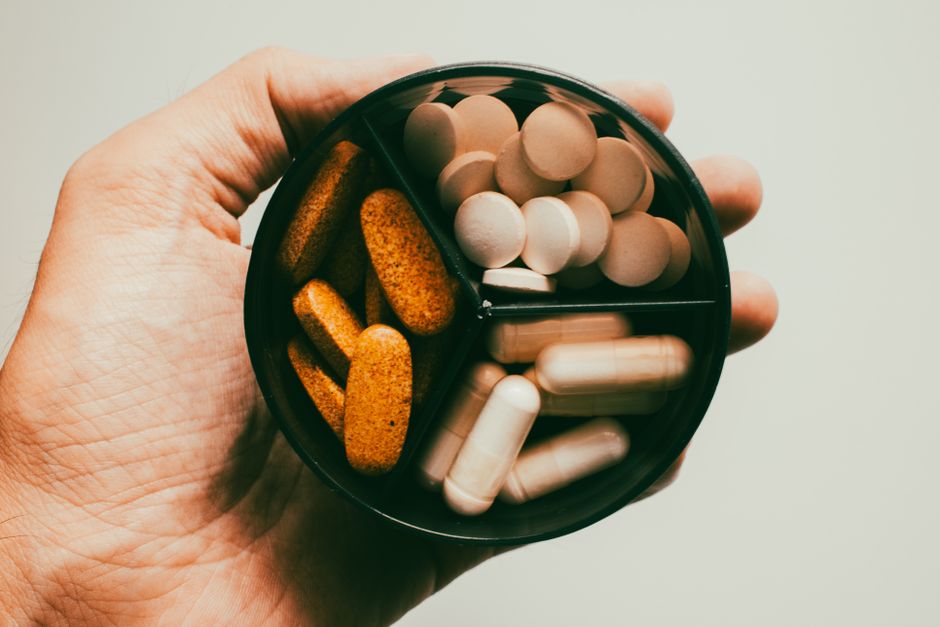
The best multivitamin for senior women is the one whose label matches her diet, health needs, and medication list—not a product chosen by age label alone. Compare iron, vitamin D, B12, calcium, serving size, and independent quality verification. Women over 60 or 70 should have a pharmacist or clinician review the choice when they take warfarin, use several medicines, or have a confirmed deficiency.
What is the best multivitamin for senior females?
The best multivitamin for senior females is a product with nutrient amounts suited to the individual, a manageable serving size, and credible quality checks. There is no single standard formula to compare against: the NIH Office of Dietary Supplements says multivitamin/mineral supplements have no standard or regulatory definition, so ingredients and amounts vary.
Start with the Supplement Facts panel, not the front label. A basic once-daily multivitamin generally supplies most nutrients at or below Daily Values, RDAs, or Adequate Intakes. High-potency products can exceed recommended amounts, and some can exceed tolerable upper intake levels. More is not automatically a better match.
Older-adult products often contain little or no iron and more calcium, vitamin D, and vitamin B12 than products for younger adults, according to the NIH fact sheet. That pattern is a comparison point, not proof that every older woman needs those amounts. Diet, diagnosed conditions, and clinician advice affect the fit.
Quality checks matter too. The NIH explains that independent seals such as USP or NSF can indicate testing for identity, label accuracy, and contaminants. The seals do not guarantee safety or effectiveness. The National Institute on Aging also recommends looking for USP verification and discussing supplements with a doctor, pharmacist, or dietitian.
Should a 70 year old woman take a multivitamin?
A 70 year old woman does not automatically need a multivitamin; the decision depends on whether food provides needed nutrients and on her medical circumstances. The National Institute on Aging says a varied, healthy diet is the best way to obtain nutrients, while a clinician may recommend a supplement when food intake falls short.
Age can affect nutrient needs, but it does not make a multivitamin a substitute for assessment. Adults 51 and older are advised to get recommended B12 mainly from fortified foods or supplements, and some older adults have trouble absorbing naturally occurring food-bound B12. The B12 RDA for adults is 2.4 mcg, according to the NIH Office of Dietary Supplements. A clinician can help decide whether food, a multivitamin, or a separate B12 product fits.
A general multivitamin also may not correct a confirmed deficiency. B12 status is commonly assessed with serum or plasma B12; methylmalonic acid can help confirm some deficiencies, though age and kidney function affect interpretation. For iron, clinicians use measures such as hemoglobin, hematocrit, and serum ferritin. Targeted testing and clinician-directed supplements can address a documented need more directly than choosing a broad formula by age alone.
What is the best multivitamin for an older woman?
The best multivitamin for an older woman is the one that fills a relevant dietary gap without adding unnecessary or excessive nutrients. Compare amounts of iron, vitamin D, B12, and calcium across labels, then check the serving size and quality verification. The sources do not publish product-specific prices or a ranked set of brands, so a price-based brand recommendation cannot be substantiated here.
| Option | Who it suits | Cost | Key limitation |
|---|---|---|---|
| Basic once-daily multivitamin | Someone seeking a broad formula; compare its label with dietary intake and clinical advice | Not published | Nutrient amounts vary; basic products generally stay at or below Daily Values, RDAs, or Adequate Intakes |
| Older-adult multivitamin | Someone comparing formulas with lower or no iron and often more calcium, vitamin D, or B12 | Not published | Age category alone does not establish an individual's needs |
| High-potency multivitamin | No general fit established in the sources; review the label with a clinician | Not published | Some products exceed recommended amounts or tolerable upper intake levels |
| Targeted supplement | Someone with a documented need assessed with a clinician | Not published | Choice depends on the specific nutrient need and clinical advice |
Iron is a clear example of why labels deserve a close read. The iron RDA for women age 51 and older is 8 mg daily, compared with 18 mg for women ages 19–50, according to the NIH Office of Dietary Supplements. Women’s multivitamins commonly provide 18 mg, while senior formulations often contain less or none. Those figures describe recommended amounts and common formulations; they do not diagnose an individual's iron status.
Vitamin D and calcium also call for context: the listed sources say older-adult products often contain more of them, but they do not provide product-by-product comparisons or a universal amount that suits every older woman. A label comparison helps identify what a product contains; a clinician can help determine whether that amount is appropriate. Avoid stacking multiple products without review, since high doses or duplicate nutrients can raise risks.
What is the best multivitamin for an over-70 year old woman?
The best multivitamin for an over-70 year old woman depends on her food intake, any diagnosed deficiency, ability to take the product, and medication list. A label marketed for older adults can be a useful starting point for comparison, but it cannot determine individual need.
Use a simple decision path. First, note nutrients that may be missing from the diet or that a clinician has identified as a concern. Next, compare iron, vitamin D, B12, calcium, and the full serving size on candidate labels. Then check for a USP or NSF seal and review the entire formula with a pharmacist or clinician, particularly if several medicines are involved.
If swallowing tablets is difficult or a multi-pill serving is hard to manage, ask a pharmacist or clinician about other forms. The NIH notes that supplements are sold as tablets, capsules, gummies, powders, and drinks. A different form can address the format barrier, but its label still needs review for nutrient amounts and other ingredients.
Medication review is not optional guesswork. The NIH warns that vitamin K can reduce warfarin's ability to prevent blood clotting, and health care providers use a person's routine vitamin K intake when managing warfarin dosing. Bring both the supplement label and medication list to the clinician or pharmacist; a product switch can change the nutrient pattern being reviewed.
Frequently Asked Questions
Should a multivitamin for older women contain iron?
Not automatically. The iron RDA for women age 51 and older is 8 mg daily, and many senior formulations contain little or no iron. A clinician can assess iron status and whether supplementation is appropriate; excess iron can cause harm.
How can I check whether a senior multivitamin is safe with my prescriptions?
Show the full Supplement Facts panel and medication list to a pharmacist or clinician. This is especially important with warfarin because vitamin K can reduce its ability to prevent clotting, and the clinician managing warfarin dosing uses a person's routine vitamin K intake.
Is one-a-day or a multi-pill multivitamin easier to take and just as suitable?
A once-daily product can reduce the number of pills, but serving size alone does not establish that its nutrients fit a person's needs. Compare the full label, and ask a pharmacist or clinician about alternative forms such as powders or drinks if pills are difficult to swallow.
Sources
- NIH Office of Dietary Supplements — Multivitamin/mineral Supplements: Health Professional Fact Sheet
- NIH Office of Dietary Supplements — Iron: Health Professional Fact Sheet
- NIH Office of Dietary Supplements — Dietary Supplements: What You Need to Know
- National Institute on Aging — Dietary Supplements for Older Adults
- NIH Office of Dietary Supplements — Vitamin B12: Health Professional Fact Sheet
Disclaimer: This article is for general information only and is not medical advice. It is not a substitute for diagnosis or treatment by a qualified healthcare professional. Always speak to your doctor before acting on anything you read here.
You may also like

How Can I Find Web Development Jobs That Fit?
Find web development jobs by matching targeted searches, tailored applications, interview preparation, and listing checks to your experience.

Fastest Online RN to NP Program: Compare BSN Routes
Herzing lists a 20-month BSN-to-MSN FNP route; compare clinical support, full-program cost, and accreditation before choosing.
How Can I Increase Fiber for Gut Health Without Gas, Bloating, or Constipation?
A practical, evidence-based way to raise fiber gradually while reducing gas, bloating, and constipation.

How Can a Diagnostic Radiographer Move into MRI in the UK?
A practical UK guide to direct-entry, trainee and postgraduate routes into MRI for diagnostic radiographers.