
How Can a Diagnostic Radiographer Move into MRI in the UK?
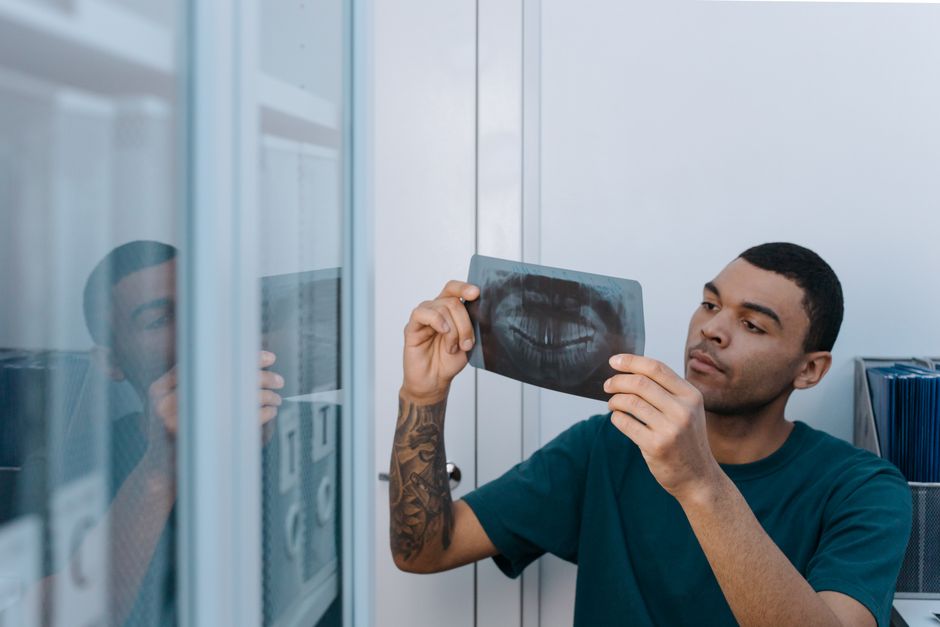
Yes. In the UK, a diagnostic radiographer can move into MRI through a direct-entry graduate role, an employer-supported trainee post, or post-qualification study. The essential base is a Diagnostic Radiography degree or equivalent and HCPC registration; the right route then depends on the employer, your MRI competency evidence and willingness to complete supervised training.
Start with the job advert, not the title. “MRI radiographer” can mean an experienced post, a supported transition or a structured trainee programme. That distinction changes what you need to show and how quickly you can move.
Can a newly qualified diagnostic radiographer work in MRI?
Yes, a newly qualified diagnostic radiographer can work towards MRI where an employer offers an appropriate role and training pathway. The Society of Radiographers states that the HCPC standards effective from September 2023 require diagnostic radiographers to perform standard magnetic resonance imaging procedures.
That is an entry-level capability, not a promise that every graduate can independently cover every MRI list on day one. The clean distinction is this: undergraduate preparation gives you a foundation; the role requires evidence that you can work safely within its particular scope. The HCPC says a registrant moving outside their current scope must undertake necessary training or gain experience before doing so.
There is evidence that direct entry can be real rather than theoretical. An advertised InHealth Trainee MRI Radiographer programme accepted either an experienced diagnostic radiographer or a diagnostic-radiography graduate. Its programme included competency assessments, MRI physics, basic and complex examinations, patient care, safety, cannulation and contrast examinations.
Use a “proof, not potential” application. Do not write only, “I am keen to develop in MRI.” Write: “My diagnostic-radiography training includes standard MRI procedures, and I am prepared to complete supervised MRI competencies, safety training and the role's required shift pattern.” That lets the recipient see the route, the safety mindset and the practical commitment in one pass.
Do I need an MRI postgraduate qualification to get an MRI radiographer job?
No, an MRI postgraduate qualification is not required for every MRI radiographer job, but it is a defined route for qualified radiographers who want structured specialist development. The Society of Radiographers says MRI role development must be underpinned by appropriate education and training, and identifies College of Radiographers-approved postgraduate qualifications as an available route.
Postgraduate study is most useful when you need a formal academic pathway alongside clinical development, or when an employer expects it for a more developed role. It is not a substitute for the local competencies, safety processes and supervised experience required in a department.
| Route | What the evidence shows | What to check |
|---|---|---|
| Direct-entry trainee role | Some programmes accept diagnostic-radiography graduates and build competence through structured training. | HCPC registration, MRI knowledge, competency programme, shift and travel requirements. |
| Employer-supported transition | An NHS Band 6 advert offered training support to a suitable candidate alongside recruitment of experienced MRI radiographers. | The stated essential criteria, supervision and any required study. |
| Postgraduate route | City St George's offers College of Radiographers-approved MRI PGCert, PGDip and MSc options for qualified radiographers. | Whether the course fits your clinical role and employer expectations. |
For example, the City St George's MRI programme offers a one-year part-time PGCert worth 60 credits, a two-year PGDip worth 120 credits and a three-year MSc worth 180 credits. Its core modules include MRI physics and instrumentation, plus clinical applications of MRI. Treat those options as a development plan, not a box to tick before you are allowed to apply for every trainee vacancy.
What does a trainee MRI radiographer role involve?
A trainee MRI radiographer role involves supervised progression from foundational knowledge to assessed clinical competence, while delivering safe patient care. The InHealth programme described training in MRI physics, scanning technique, safety, basic and complex examinations, cannulation and contrast examinations.
The operational detail matters. The cited role was mobile across locations including Manchester, Salford and Bolton, with three 12-hour shifts between 7am and 9pm, Monday to Sunday. That is not a small footnote. Before applying, decide whether the working pattern, travel and service model work with your wider responsibilities.
The NHS alternative is different but no less demanding. The North West Anglia NHS Foundation Trust advert required MRI safety, quality assurance, governance, health-and-safety knowledge and evidence of personal and professional development. It described diagnostic imaging, patient care and independent work prioritisation, with potential postgraduate study or venepuncture as extended practice.
Run a three-part advert check before you apply: entry evidence, training evidence, operating reality. Entry evidence is your degree and registration. Training evidence is what the employer will assess and support. Operating reality is the shifts, weekends, bank holidays, travel, cannulation or contrast work and level of independent prioritisation. If one section is unclear, ask at application or interview stage.
Is HCPC registration required for MRI radiographer jobs?
Yes, HCPC registration is required in the MRI radiographer job examples cited here, and it is the professional foundation for practising as a radiographer. The HCPC describes its standards of proficiency as threshold standards for registration and says registrants must continue to meet standards relevant to their scope of practice.
This is the safety line. MRI is not simply a different scanner to learn; it is a specialist scope that requires the relevant education, experience and judgement. The Society of Radiographers also points to a national MRI-safety e-learning programme for NHS staff and academic institutions, covering role-based modules on the static magnetic field, RF and imaging gradients, emergencies and gadolinium.
Use this application line only if it is true: “I hold valid HCPC registration and will maintain MRI competence through the required training, competency assessments and safety processes.” It is concise, specific and aligned with what employers and the regulator need to see.
The practical conclusion is straightforward. Apply for direct-entry or trainee vacancies when you meet their published criteria; use an internal supported route when your employer offers one; choose postgraduate study when it is the right structured extension of your role. This week, pull three current MRI adverts, mark every essential and desirable criterion, and turn each gap into one action: evidence it, train for it or ask about it.
Frequently Asked Questions
How much general radiography experience do employers expect before MRI training?
There is no single published UK threshold in the sources. One advertised trainee MRI route accepted either an experienced diagnostic radiographer or a diagnostic-radiography graduate, while an NHS Band 6 advert offered training support to the right candidate. Read each person specification for the actual requirement rather than assuming years in general radiography are mandatory.
What should I include in an application for a trainee MRI post?
Show that you meet the stated qualification and HCPC-registration requirements, then make your safety, patient-care and professional-development evidence easy to find. Where the advert asks for MRI knowledge, address MRI safety, basic physics and scanning technique directly. Use the advert's wording as your checklist, not as background reading.
What shifts and clinical responsibilities should I expect in an MRI role?
Expect the pattern to vary by employer and service model. The cited NHS advert described a three-day shift pattern across a department operating 12.5 hours daily, seven days a week, including weekends and bank holidays; the cited mobile role used three 12-hour shifts between 7am and 9pm, Monday to Sunday. Responsibilities can include diagnostic imaging, patient care, MRI safety, independent prioritisation and, depending on the post, cannulation, contrast examinations or extended practice.
Sources
- Health and Care Professions Council: Standards of proficiency for radiographers
- Society of Radiographers: MRI training and education
- Society of Radiographers: Position statement regarding HCPC standards
- NHS Jobs: InHealth Trainee MRI Radiographer advert
- NHS Jobs: North West Anglia NHS Foundation Trust MRI Radiographer/Trainee MRI Radiographer advert
- City St George's, University of London: Radiography Magnetic Resonance Imaging