
How Can I Increase Fiber for Gut Health Without Gas, Bloating, or Constipation?
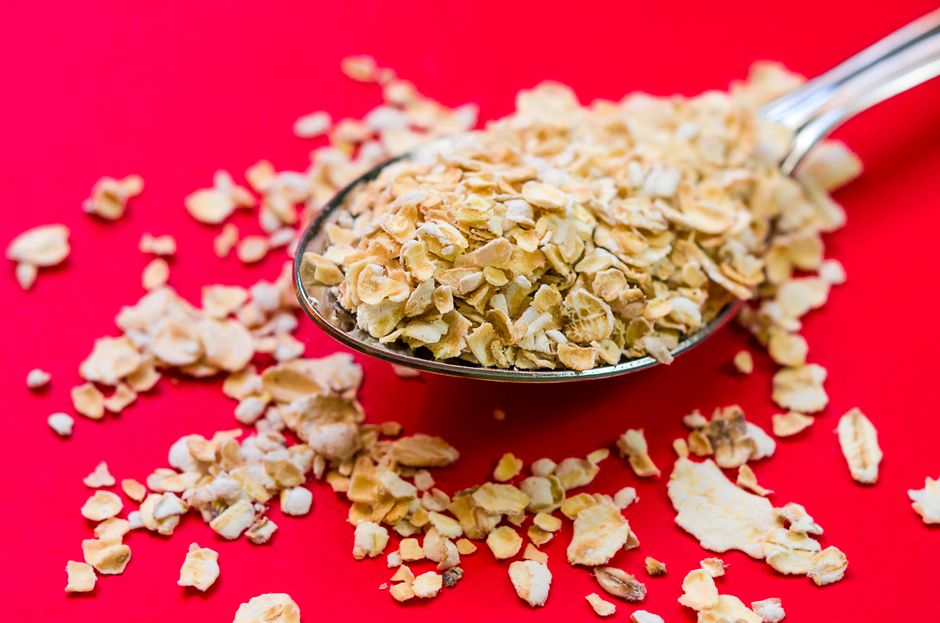
Increase fiber slowly, keep fluids steady, and change one food or meal pattern at a time. NIDDK advises adults to add fiber little by little, while MedlinePlus advises easing back for a few days if gas or bloating appears before continuing more gradually. Food type, portion size, meal speed, and your own symptom pattern all shape the result.
Why do I get bloated when I start eating more fiber?
You get bloated because some fiber reaches the large intestine, where bacteria break down undigested carbohydrates and create gas. The National Institute of Diabetes and Digestive and Kidney Diseases describes this as a normal part of digestion, not proof that fiber is failing you.
The speed of change matters. MedlinePlus says a large fiber increase over a short period can cause gas, bloating, and cramps while gut bacteria adjust. A higher-fiber plate can be useful. A sudden overhaul can be noisy.
Bloating and visible swelling are not the same thing. NIDDK says bloating is the feeling of fullness or swelling, and only about half of people who report bloating also have visible abdominal distention. The feeling still counts. It gives useful information about pace and portions.
Keep a simple food-and-symptom diary. Write down the new food, the rough portion, the meal time, and what happens afterward. NIDDK recommends this approach because it can reveal personal triggers. It also prevents the common mistake of blaming all fiber when several changes arrived at once.
How quickly should I increase my fiber intake?
Increase it over weeks, not days, and pause when symptoms rise. NIDDK says adults generally need 22 to 34 grams of fiber a day, depending on age and sex, and its guidance is plain: add fiber a little at a time so the body gets used to the change.
MedlinePlus offers the same direction: build up gradually over a few weeks. There is no single weekly gram target in the sources for every adult. That gap matters. A workable plan is to add one modest fiber change, hold it long enough to observe symptoms, then add the next change only when the previous one feels tolerable.
| Stage | What changes | What to watch |
|---|---|---|
| First change | Add one naturally fiber-rich food to a familiar meal. | Gas, fullness, stool texture, and bowel frequency. |
| Settling period | Keep the rest of the diet stable and drink fluids consistently. | Whether symptoms ease rather than build. |
| Next change | Add a different source, or increase the earlier food modestly. | Whether one food, one portion, or the total pace causes trouble. |
| Symptom flare | Reduce the recent increase for a few days, then resume more slowly. | Persistent pain, bowel changes, or weight loss. |
Choose ordinary foods first: whole grains, legumes, fruits, vegetables, and nuts are all listed by NIDDK as fiber sources. For a working adult, repetition helps. A stable breakfast or packed lunch makes it easier to see what changed than a different high-fiber meal every day. That same steady routine can fit around a job search or a new work schedule, as in this guide to legitimate part-time remote work.
Meal habits count too. NIDDK notes that doctors may suggest smaller, more frequent meals and slower eating for gas symptoms. The point is not to fear a bowl of beans or a whole-grain sandwich. The point is to stop turning every meal into a test.
Should I choose soluble or insoluble fiber for constipation?
Choose based on the pattern of constipation and tolerance, not on a claim that one kind wins for everyone. MedlinePlus explains that soluble fiber draws in water and forms a gel, while insoluble fiber adds bulk and helps food move through the digestive tract.
Soluble fiber sources named by MedlinePlus include oat bran, barley, nuts, seeds, beans, lentils, peas, and some fruits and vegetables. Insoluble fiber sources include wheat bran, vegetables, and whole grains. Both belong in food. The useful distinction is practical: if a new food causes discomfort, reduce the portion, record the response, and avoid adding another variable at the same time.
Evidence for constipation is strongest for some forms, not all forms. A 2022 systematic review and meta-analysis in the American Journal of Clinical Nutrition examined 16 randomized controlled trials involving 1,251 adults with chronic constipation. It found that 66% of participants receiving fiber responded, compared with 41% in control groups. The review reported significant effects for psyllium and pectin, especially above 10 grams a day and for at least 4 weeks, while also finding more flatulence and considerable variation between studies.
That is not a universal prescription. It is a reminder that fiber type, dose, time, and symptoms belong in the same sentence.
Food remains the base. MedlinePlus says naturally fiber-rich foods are generally preferable to supplements or fortified foods, which may not provide the same benefits and can worsen gas and bloating. Supplements are not interchangeable with a varied diet.
When should bloating or bowel changes be assessed?
Seek medical assessment when gas symptoms are bothersome, change suddenly, or occur with abdominal pain, constipation, diarrhea, or weight loss. NIDDK gives these signs because a new digestive pattern is not always a fiber-adjustment problem.
For people diagnosed with irritable bowel syndrome, NIDDK notes that a clinician may recommend a short low-FODMAP trial. That is a clinical tool, not a reason to cut broad food groups alone. The diary supplies clues. Assessment supplies context.
Fiber is not a contest of will. Slow change is progress. Fast change is often only noise.
Frequently Asked Questions
Can fiber make constipation worse if I do not drink enough water?
Yes. MedlinePlus states that increasing fiber without enough fluids can make constipation worse instead of better. NIDDK also explains that water and other liquids help fiber work by making stools softer and easier to pass.
Which high-fiber foods are least likely to cause gas?
There is no universal low-gas high-fiber food list. NIDDK recommends using a food-and-symptom diary because gas responses differ by person, especially with legumes, whole wheat, cruciferous vegetables, and some fruits. Adding a small serving of one food at a time gives a clearer signal than changing several foods together.
Do fiber supplements help gut health as much as food?
MedlinePlus says naturally fiber-rich foods are generally preferable to supplements or fortified foods because they may not provide the same benefits and can worsen gas and bloating. A 2022 systematic review found psyllium and pectin improved constipation outcomes in some adults, yet its authors also reported more flatulence and substantial variation across studies.
Sources
- National Institute of Diabetes and Digestive and Kidney Diseases: Eating, Diet, and Nutrition for Constipation
- National Institute of Diabetes and Digestive and Kidney Diseases: Symptoms and Causes of Gas
- National Institute of Diabetes and Digestive and Kidney Diseases: Eating, Diet, and Nutrition for Gas
- MedlinePlus Medical Encyclopedia: Fiber
- MedlinePlus Medical Encyclopedia: Fiber and Constipation
- American Journal of Clinical Nutrition: Fiber supplementation for chronic constipation, 2022 systematic review and meta-analysis
Disclaimer: This article is for general information only and is not medical advice. It is not a substitute for diagnosis or treatment by a qualified healthcare professional. Always speak to your doctor before acting on anything you read here.