
How Do Part Time Courier Jobs Work?
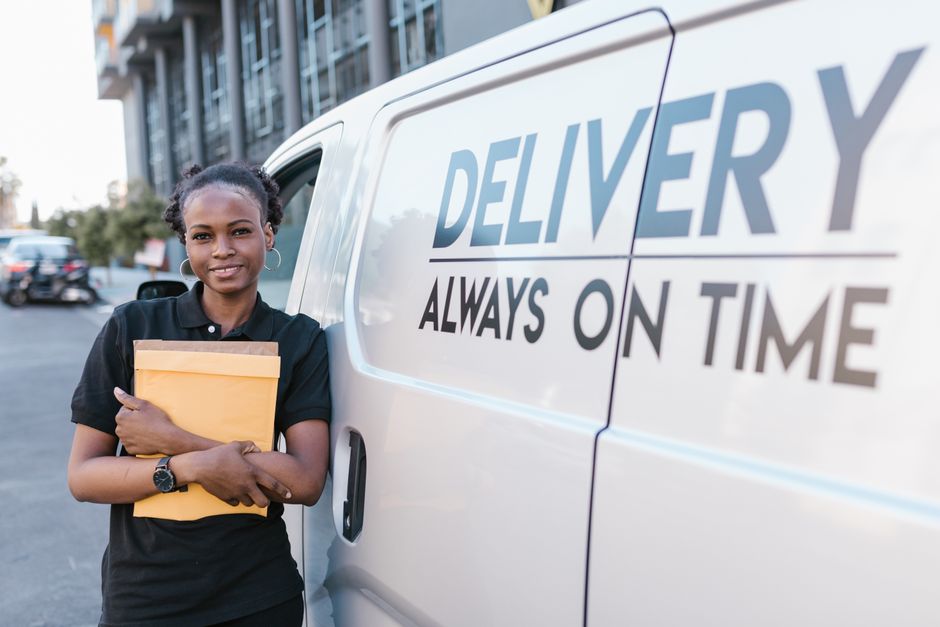
Part time courier jobs can fit around other work, but the right option depends on whether you value flexible app offers or a recurring route. Compare expected pay with every work mile, including pickups and the drive back, then account for vehicle costs and taxes. Check the schedule, insurance rules, and mileage policy before accepting a shift.
Can I deliver packages as a part-time side hustle?
Yes, you can deliver part time, but the job’s schedule and pay structure determine whether it fits your week. App-based offers may let you choose when to work, while a local route may require you to commit to recurring days or specific delivery windows.
The Bureau of Labor Statistics says some delivery drivers have regular daily or weekly schedules, while others receive delivery-time instructions and determine their own route. Most delivery drivers work full time, and schedules can include early mornings, nights, weekends, or holidays, so verify that a listed opening is genuinely part time rather than assuming from the word “courier.”
For a local search, try terms such as “part time courier jobs near Kenosha” and “part time courier jobs near Pleasant Prairie.” Before applying, ask the employer or platform: “Is this a fixed weekly shift, an on-call route, or optional offers?” Then confirm whether pay is hourly, per route, or per delivery, and whether mileage is reimbursed.
Use this beginner checklist to screen an opening:
- License and record: Confirm that you have a valid state driver’s license and ask what driving-record standard applies. The BLS identifies a license and clean driving record as requirements.
- Experience: Ask whether experience is required. The BLS reports that related work experience is not typically required for the occupation; training is generally one month or less.
- Vehicle and phone: Check whether you need your own vehicle and smartphone, and clarify who pays for vehicle costs or equipment.
- Screening and insurance: Ask whether a background check is part of hiring and verify delivery coverage with your insurer before driving for pay.
- Shift terms: Get the expected hours, route area, pay basis, mileage policy, and cancellation rules in writing.
How much do part-time courier drivers actually earn per hour after expenses?
There is no single reliable local take-home figure; the useful comparison is earnings after vehicle costs, across all hours spent working. The BLS reported a 2024 median annual pay of $42,770, or $20.56 per hour, for delivery truck drivers and driver/sales workers. That occupational wage is not a promise of part-time app earnings or a net figure after expenses.
A May 2024 UC Berkeley Labor Center report analyzed 52,370 trips by 1,088 drivers across six platforms in five metro areas using 2022 trip and shift data. After vehicle expenses and including tips, median delivery-worker net earnings per total shift hour were $13.62 in California and $9.87 in the other metro areas studied. Excluding tips, the respective figures were $5.93 and $0.48. These are not Kenosha estimates; they reflect a limited group of platforms and locations, and the trip data are from 2022.
Keeper reports an effective hourly rate of $11.25 across four package and courier delivery reviews, with median monthly earnings of $213 and monthly expenses of $50–$150. The sample is very small and self-reported, so treat $11.25 as a directional comparison, not a dependable forecast. Its reported pay-predictability score was 2.0 out of 5, also based on those four reviews.
Build a shift estimate before you accept. For example, if an offer pays $60, takes four total hours, and involves 60 work miles, gross pay is $15 per hour before costs and taxes. At the IRS 2025 business mileage rate of $0.70 per mile, 60 miles equate to a $42 cost reference, leaving $18 before taxes, or $4.50 per hour. This illustration is arithmetic, not a typical shift or a forecast; use the applicable mileage rate and your actual costs. The IRS rate is a tax deduction method, not a reimbursement promise.
| Check | What to include | Why it matters |
|---|---|---|
| Total time | Waiting, pickups, deliveries, and return travel | Active delivery time alone can overstate the hourly result. |
| Total miles | Driving to pickup, between stops, and back from the final stop | Unpaid miles still use fuel and add vehicle costs. |
| Vehicle costs | Fuel, maintenance, repairs, depreciation, and insurance | Berkeley’s study included these categories in its vehicle-expense accounting. |
| Taxes | Set aside and report gig income as required | Net proceeds are not the same as spendable income. |
For each offer, estimate total miles and hours, subtract your vehicle-cost estimate from pay, then divide by total hours. Decide your minimum acceptable return in advance. A useful question to send a recruiter is: “Does the quoted pay include the return drive, and what mileage is reimbursed?”
The IRS says gig income must be reported even if the work is part time, temporary, paid in cash, or not reported on an information return. A return is generally required if net self-employment earnings from gig work are $400 or more, and independent contractors may need quarterly estimated payments. Keep records of income, expenses, and receipts.
Do part-time courier jobs require experience or a commercial driver's license?
Many delivery-driver roles do not typically require related work experience, but requirements depend on the vehicle and employer. The BLS lists a high school diploma or equivalent as the typical entry-level education and says related experience is not typically required; it also identifies a state driver’s license and clean driving record.
Do not infer from that occupational profile that every opening has identical licensing rules. Read the listing and ask the employer what license applies to the specific vehicle and route. The supplied sources do not establish a universal commercial-driver’s-license rule for all part-time courier work.
Make the application efficient: gather your license details, driving history information, vehicle details, and availability; be ready to complete any requested screening; and confirm smartphone, insurance, and experience requirements before spending time on an application. If the listing says “no experience,” still check whether it requires a clean record, a suitable vehicle, or a fixed schedule.
Can I choose my own hours, or do courier jobs require scheduled shifts?
Some courier work lets you choose from available offers; other jobs require scheduled shifts or a recurring route. The BLS describes both regular daily or weekly schedules and work in which drivers receive delivery-time instructions and determine their route. Ask whether you control your start time, route, or both.
App flexibility has a trade-off: you may be able to decline an offer, but the amount and timing of available work are not guaranteed by the information in a listing. Scheduled routes can make planned hours clearer, but they can also require consistent availability. Keeper’s four-review sample includes a mix of on-demand and set-route work, so it cannot establish which format is more reliable overall.
Before committing, get the terms in plain language: “How many hours are guaranteed each week, what happens if a route runs long, and is pay hourly or per route?” Compare the answer with your real availability, including the time needed to reach the pickup and return after the final delivery. For a broader approach to screening flexible work, see How Can College Students Find Legitimate Part-Time Remote Work?
Frequently Asked Questions
Is it worth using my own car for courier work after fuel and mileage costs?
It depends on total work miles, expenses, pay, and taxes. Include pickup and return miles, then compare the offer with the IRS business mileage rate as a cost reference; that rate is a tax deduction method, not guaranteed reimbursement.
What insurance do I need to make deliveries for pay?
Ask your insurer whether your personal policy covers paid delivery and what endorsement or additional coverage applies. Progressive notes that most standard personal auto policies exclude commercial delivery use, and coverage can vary.
Are scheduled courier routes more reliable than delivery-app offers?
A recurring route can make planned hours more predictable, while app work depends on available offers. However, the actual pay and reliability depend on the specific job terms; Keeper’s predictability score came from only four reviews.
Sources
You may also like

How Can College Students Find Legitimate Part-Time Remote Work?
A practical guide to finding legitimate student remote jobs, fitting work around classes, building a first resume, and avoiding job scams.

How Can I Find Web Development Jobs That Fit?
Find web development jobs by matching targeted searches, tailored applications, interview preparation, and listing checks to your experience.

Can I Get a Job in Norway If I Only Speak English?
A practical guide for non-EU professionals seeking English-speaking jobs and skilled-worker permits in Norway before relocating.

How Can a Diagnostic Radiographer Move into MRI in the UK?
A practical UK guide to direct-entry, trainee and postgraduate routes into MRI for diagnostic radiographers.