
How Can I Tell If a Packaged Food Is Actually Healthy?
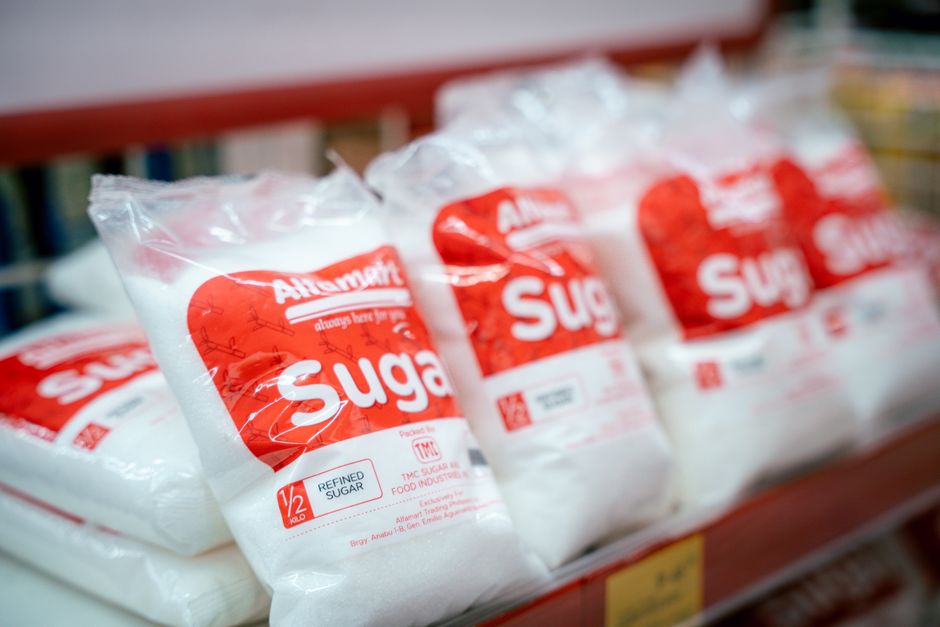
Read the package in this order: serving size, added sugar, sodium, saturated fat, fiber, then the ingredient list. Treat front-of-pack words as claims to verify, not proof. The FDA says 5% Daily Value or less is low and 20% or more is high, so the label shows where a food helps and where it asks for restraint.
How can I tell if a packaged food is actually healthy?
A packaged food earns its place by what the full label says, not by the largest words on the box.
Start at the top. The U.S. Food and Drug Administration Nutrition Facts Label guidance says every calorie, nutrient amount, and % Daily Value applies to one stated serving. A small serving can make a sweet or salty food look modest until the package holds several servings.
Then read the middle of the panel as a trade-off. FDA guidance identifies dietary fiber, vitamin D, calcium, iron, and potassium as nutrients to get more of. It identifies saturated fat, sodium, and added sugars as nutrients to limit. One good number does not erase another. Protein on the front does not cancel a high sodium line. A low-fat claim does not answer the added-sugar line.
Use the % Daily Value as the fast scan. FDA guidance sets the low mark at 5% DV or less per serving and the high mark at 20% DV or more per serving. Low is useful for added sugar, sodium, and saturated fat. High is useful for fiber and the nutrients the FDA names as worth getting more of.
| Read this first | What it tells you | Useful comparison |
|---|---|---|
| Serving size and servings per container | What every label number covers | Ask whether the amount you plan to eat matches one serving |
| Added sugars, sodium, saturated fat | Nutrients FDA says to limit | 5% DV or less is low; 20% DV or more is high |
| Dietary fiber | A nutrient FDA says to get more of | A higher %DV gives the food more substance |
| Ingredient list | What the product is made from | Use it after the numbers, not instead of them |
This is a fast framework, not a purity test. The 2025 Dietary Guidelines Advisory Committee reports that dietary patterns tied to better health outcomes include more vegetables, fruits, whole grains, low- or non-fat dairy, seafood, legumes, and nuts, with less red and processed meat, refined grains, and sugar-sweetened foods and drinks. The cart matters more than one package.
Does a food labeled natural or organic mean it is healthy?
No. Natural and organic describe different things, and neither word replaces the Nutrition Facts label.
The FDA's policy on the term natural says the agency has not established a formal regulatory definition for the word on human-food labels. Its longstanding policy generally addresses whether artificial or synthetic ingredients, including added colors, are present when they would not normally be expected. The policy does not decide whether the food has a nutritional benefit.
Organic answers a production-standard question. The FDA's organic-label guidance states that the USDA National Organic Program governs the organic claim, while FDA rules still apply to food labeling and safety. An organic cookie can still carry added sugar. An organic canned soup can still carry substantial sodium. Read the same five lines.
The word healthy has a narrower federal meaning when a company chooses to use that voluntary claim. In its December 2024 final rule, the FDA requires foods using the updated claim to contain a required amount from a Dietary Guidelines food group and meet limits for added sugars, saturated fat, and sodium. The claim gives a useful signal. The panel still gives the fuller answer.
For readers building meals around a changing work routine, the same comparison works for desk-drawer snacks and lunch staples. It also fits the practical planning in How Can College Students Find Legitimate Part-Time Remote Work?: a routine holds when its defaults are easy to check.
What should I check first on the Nutrition Facts label?
Check serving size and servings per container first, because every other number depends on them.
FDA Nutrition Facts Label guidance puts this step before calories and nutrients for a reason. A package can look like one snack and contain more than one labeled serving. If the whole package is eaten, the listed calories, added sugar, sodium, saturated fat, fiber, and %DVs scale with the number of servings eaten.
Next, separate total sugars from added sugars. FDA guidance says total sugars includes sugars that occur naturally in foods such as milk and fruit as well as added sugars. The FDA has not set a Daily Value for total sugars. Added sugars are the line built for the limit comparison.
Then check fiber. A cereal, cracker, or snack that leads with whole grain or protein still needs to show its work on the panel. The best comparison is between similar foods in the same aisle, using the same serving-size logic.
How much added sugar or sodium is too much in one serving?
Use % Daily Value first: FDA guidance calls 20% DV or more high per serving, and 5% DV or less low per serving.
For a 2,000-calorie diet, FDA Nutrition Facts Label guidance lists Daily Values of 50 grams for added sugars, 2,300 milligrams for sodium, 20 grams for saturated fat, and 28 grams for dietary fiber. These are daily reference values, not a score for one meal. Serving size decides how the package fits into that day.
The FDA's December 2024 healthy-claim rule shows the same logic in product-specific limits. For an individual grain product, the rule requires at least 3/4 ounce-equivalent of whole grain and limits added sugar to 5 grams, sodium to 230 milligrams, and saturated fat to 1 gram per reference amount customarily consumed. For an individual fruit or vegetable product, the rule limits added sugar to 1 gram, sodium to 230 milligrams, and saturated fat to 1 gram per reference amount customarily consumed.
Those claim criteria are not a personal meal plan. They are a useful illustration of how the FDA distinguishes a nutrient-dense food from a product that carries a health-shaped message while leaning too hard on sugar, salt, or saturated fat.
Cheap does not mean empty. The 2020-2025 Dietary Guidelines framework includes fresh, frozen, canned, and dried fruit; fresh, frozen, and canned vegetables; and cooked canned beans, peas, chickpeas, and lentils. Compare versions on the shelf. Unsalted nuts and lower-sodium canned goods often make the label decision plain.
Frequently Asked Questions
Are ultra-processed foods always unhealthy?
No. The 2025 Dietary Guidelines Advisory Committee says research on ultra-processed foods is hard to assess because definitions and classification methods differ. Its report links patterns higher in these foods with greater adiposity and overweight or obesity risk, based on limited evidence, and points back to saturated fat, sodium, and added sugars as useful comparison points.
Which ingredients on a food label are red flags?
An ingredient list is most useful beside the Nutrition Facts label, not alone. Added sugars, sodium sources, and fats matter when their amounts push the label toward high % Daily Values; FDA guidance identifies added sugars, sodium, and saturated fat as nutrients to limit. A long ingredient list does not settle the question by itself.
Can frozen and canned foods be healthy choices?
Yes. The 2020-2025 Dietary Guidelines framework includes fresh, frozen, and canned vegetables and fruits, plus canned beans, peas, chickpeas, and lentils. Compare labels for sodium, added sugars, and saturated fat, and choose unsalted nuts when that option is available.
Sources
- U.S. Food and Drug Administration: How to Understand and Use the Nutrition Facts Label
- U.S. Food and Drug Administration: Use of the Healthy Claim on Food Labeling
- U.S. Food and Drug Administration: Use of the Term Natural on Food Labeling
- U.S. Food and Drug Administration: Organic on Food Labels
- U.S. Department of Agriculture and U.S. Department of Health and Human Services: Customizing the Dietary Guidelines Framework
- 2025 Dietary Guidelines Advisory Committee: Scientific Report, Dietary Patterns Chapter
Disclaimer: This article is for general information only and is not medical advice. It is not a substitute for diagnosis or treatment by a qualified healthcare professional. Always speak to your doctor before acting on anything you read here.