
How Can I Batch-Cook Complete Meals That Freeze and Reheat Well?
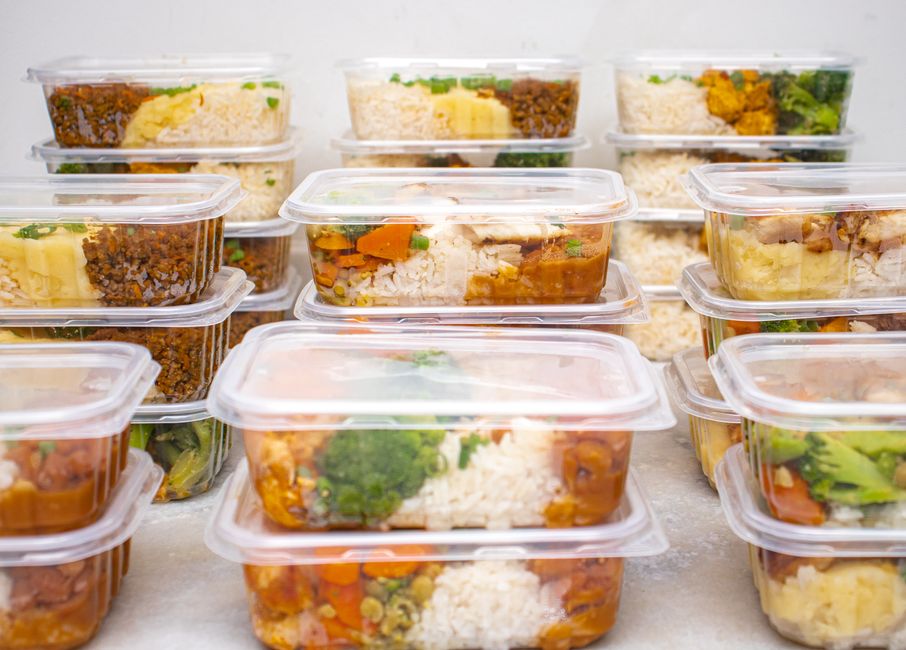
Batch-cook a few complete dishes, cool them quickly in shallow containers, then pack single-meal portions in airtight, freezer-safe packaging. Label each portion and freeze it promptly. Soups, stews, casseroles, and meals with cooked vegetables tend to handle freezing well; add crisp or watery ingredients fresh. Thaw safely in the refrigerator, cold water, or microwave, and reheat leftovers to 165°F.
What complete meals can I cook ahead and freeze?
Soups, stews, casseroles, and dishes built around cooked meat, poultry, beans, or vegetables make practical freezer meals. They store as a complete serving and need little assembly after reheating. Start with two or three recipes that share ingredients, such as a cooked vegetable or protein, so one cooking session can fill several portions.
Cook the dishes fully, then divide them into shallow containers while they cool. The USDA Food Safety and Inspection Service says leftovers should be refrigerated or frozen within two hours of cooking, or within one hour when the temperature is above 90°F. Large batches cool faster when split into smaller, shallow portions. Hot food can go directly into the refrigerator.
Keep the cold chain steady: FoodSafety.gov recommends a refrigerator at 40°F or below and a freezer at 0°F or below. Label each package with its contents and the date it was prepared. That small note turns a stack of similar containers into a usable meal plan.
Choose packaging for the meal. Freezer-rated bags work well for soups and stews when sealed tightly and laid flat; rigid freezer-safe containers suit saucy dishes and casseroles. Tempered glass marked safe for freezer use is another option. Leave room at the top when packing liquid foods because they expand as they freeze. The University of Minnesota Extension advises airtight packaging and removing as much air as possible to limit freezer burn.
How should I portion meals for one or two people?
Freeze meals in the amount you expect to eat at one sitting. Single portions suit solo meals and flexible schedules; two-person portions reduce packaging when both diners will eat together. Small packages freeze faster and let you thaw only what you need, according to the University of Minnesota Extension.
Pack components together when they reheat at a similar pace. A portion of stew with cooked vegetables can go in one container. For meals with separate textures, pack the sauce or main dish apart from a grain or topping. This gives you more control over reheating and keeps crisp elements out of the freezer.
Cool food promptly before it sits out too long. Divide a large pot into shallow containers instead of waiting for the whole batch to cool on the counter. The USDA says perishable food left out longer than the two-hour limit—or one hour above 90°F—should be discarded.
Mark the dish and date on each package before it goes into the freezer. Store portions where they are easy to see and use older meals first. For best quality, the USDA FSIS gives a general range of three to four months for frozen leftovers. FoodSafety.gov offers more specific quality ranges: two to three months for soups and stews, and two to six months for cooked meat or poultry leftovers. The difference reflects food type and guidance; freezer time is chiefly a quality measure, not a safety deadline when food stays at 0°F or below.
Which meals freeze and reheat without getting soggy?
Cooked dishes generally hide freezing-related texture changes better than raw produce. Freezing breaks down plant cell walls, so high-water vegetables can soften after thawing. The University of Minnesota Extension notes that this change is less noticeable in foods cooked before eating, since cooking also softens cell walls.
Soups, stews, casseroles, and cooked vegetables are good candidates. Peas and corn, which are high-starch vegetables, tend to retain their appeal better than lettuce or celery; the extension says lettuce and celery are generally unsuitable for freezing because they become soft. Keep salad greens, fresh herbs, crunchy toppings, and other delicate additions out of the frozen portion and add them after reheating.
Cooked pasta in a saucy meal is different from a mayonnaise-based pasta salad. FoodSafety.gov lists macaroni salad, along with egg, chicken, ham, and tuna salads, among foods that do not freeze well. The University of Minnesota Extension likewise distinguishes homemade macaroni salad from cooked pasta in a meal. Use cooked pasta as part of a sauce-based dish rather than freezing it in a mayonnaise salad.
Reheat leftovers to 165°F. Cover the food to hold moisture and help it heat evenly, as USDA FSIS advises; in the microwave, check the temperature in several places. Thaw in the refrigerator with a dish underneath to catch leaks, or use a leak-proof package in cold water and change the water every 30 minutes. The University of Minnesota Extension says thawed food should be used within two to three days. Microwave thawing is another safe option, and frozen leftovers can also be reheated without thawing.
Frequently Asked Questions
Can I freeze cooked rice, pasta, and vegetables with the rest of a meal?
Cooked vegetables and cooked pasta can be portioned into meals, though texture can soften after freezing and reheating. High-water vegetables are more prone to texture changes, so add delicate crisp vegetables fresh. The cited guidance does not give a specific recommendation for cooked rice; follow safe cooling and storage practices for the full dish.
How long do homemade meals last in the freezer?
For best quality, use most homemade leftovers within three to four months, though recommendations vary by dish. FoodSafety.gov lists two to three months for soups and stews, and two to six months for cooked meat or poultry leftovers. Food kept continuously at 0°F or below remains safe indefinitely, but quality declines over time.
Should I thaw a frozen meal before reheating it?
Thaw in the refrigerator, in cold water, or in the microwave; it is also safe to reheat frozen leftovers without thawing. Reheat leftovers to 165°F, cover them to retain moisture, and check microwaved food in several places.
Sources
- USDA Food Safety and Inspection Service: Leftovers and Food Safety
- FoodSafety.gov: Cold Food Storage Charts
- University of Minnesota Extension: Freezing
- University of Minnesota Extension: Storage Times for Food in the Refrigerator and Freezer
- USDA Food Safety and Inspection Service: Steps to Keep Food Safe
You may also like
Are Food Trucks Right for a Wedding Reception?
Plan a wedding food-truck setup with practical guidance on truck count, service speed, portions, seating, venue access, and backup plans.